Highlights
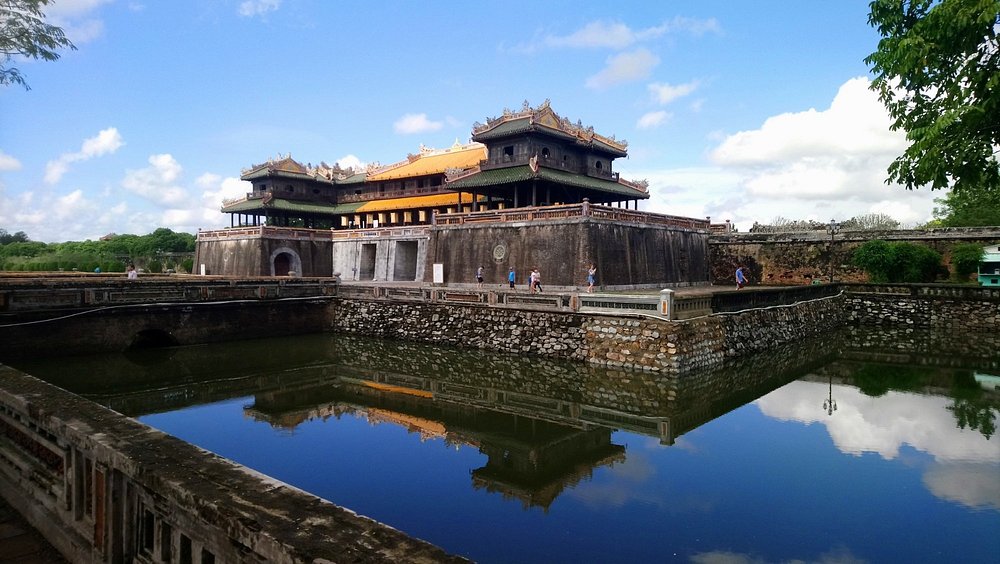
Standard entrance ticket to Hue Imperial City (Citadel), including access to the main walled complex and key interior sites such as Ngo Mon Gate, Thai Hoa Palace area, royal temples and selected restored palaces and gardens.
About this experience
Hue Imperial City — often simply called “The Citadel” — is the walled royal capital of the Nguyen emperors, set on the north bank of the Perfume River in central Vietnam. Behind its moats, bastions and massive gates lies a complex of courtyards, palaces, temples, gardens and lakes that once formed the political, ritual and residential heart of the last Vietnamese dynasty. Today, it is a UNESCO World Heritage Site and the single most important place to visit in Hue if you want to understand imperial Vietnam.
What's included
- Standard entrance ticket to Hue Imperial City (Citadel), including access to the main walled complex and key interior sites such as Ngo Mon Gate, Thai Hoa Palace area, royal temples and selected restored palaces and gardens.
- Freedom to explore at your own pace along marked paths and courtyards inside the Citadel, with access to many open buildings, pavilions, lakeside walkways and garden areas.
- Entry to several small on-site exhibitions and displays (for example, royal costume exhibits, architectural information, models and photo panels) that are usually included in the main ticket.
- Use of basic visitor services such as toilets, signposted walking routes, shaded seating spots, and in some seasons optional electric carts inside the complex for an extra fee if you choose.
- NOT included: guided tours (unless pre-booked), electric cart rides, food and drinks, combo tickets with royal tombs outside the city, and entrance to separate museums not covered by the main Citadel ticket.
Who it's for
- Ideal for travellers interested in history, architecture and royal culture — anyone who wants to go beyond beaches and markets and see Vietnam's old imperial centre.
- Great for photographers, couples and families with older children who enjoy wandering large outdoor sites, pausing in courtyards, gardens and pavilions.
- Suitable for most fitness levels if you are comfortable walking on mostly flat ground for a few hours; there are few steep climbs, but the site is spread out.
- Less suited if you dislike walking in the sun and heat, or if you only enjoy very compact, high-intensity attractions — the Citadel is more about atmosphere and gradual discovery than one single “wow” moment.
What you'll do
- Arrive at the main riverside entrance near the big flag tower, buy your ticket at the official booth and then pass through Ngo Mon Gate into the inner Imperial City.
- Walk up the main ceremonial axis towards Thai Hoa Palace and the central courtyards, taking in restored halls, ponds, lotus-filled lakes and surviving sections of royal architecture.
- Wander sideways off the main spine into quieter zones with smaller palaces, temple compounds, residential quarters, garden areas and partially ruined or reconstructed buildings.
- Read bilingual information boards that explain the role of each area — from court ceremonies and ancestor worship to everyday life of the emperors, mandarins and royal family.
- Take breaks in shaded corridors or pavilions, pause for photos of ornate roofs, dragon motifs and courtyard reflections, and possibly stop at a small café or stall for a drink.
- Eventually loop back towards the main gate or another exit, with the option to continue your day by visiting nearby sites such as Dong Ba Market, the Perfume River waterfront or one of the Nguyen royal tombs outside the city.
Before you go
- Tickets / price (starts from): current entrance fees list about 200,000 VND per adult and 40,000 VND per child (7—12 years) for a single visit to the Imperial City, with the same rates for Vietnamese and foreign visitors.
- Opening hours: the Citadel is generally open daily from roughly 06:30—17:30 in summer and 07:00—17:00 in winter; last entry is usually 30—60 minutes before closing.
- Duration: plan around 2—3 hours inside if you want to walk the main axes, see several side complexes and stop for photos and short breaks without rushing.
- Dress code & behaviour: there is no strict formal dress code, but modest clothing that covers shoulders and knees is respectful in temple areas; avoid climbing on walls, statues or fragile structures.
- Tickets & combos: you can buy a simple Imperial City ticket or a combo ticket that includes the Citadel plus selected royal tombs; combos are cost-effective if you are visiting multiple monuments around Hue.
Good to know
- Location: the Citadel sits just across the Perfume River from central Hue; it's a short taxi, cyclo ride or even a manageable walk from many city hotels on the south bank.
- Layout: the complex is large and partially reconstructed after war damage — you'll see a mix of fully restored palaces, ruins, open lawns and ongoing conservation work.
- Weather: Hue can be hot and humid or rainy depending on season; bring water, sunblock, a hat and possibly a light raincoat or umbrella, and try to avoid the very hottest midday hours.
- Navigation: simple paper maps and signboards help you orient yourself; hiring a licensed guide at the gate or joining a tour can add more stories and context if you like detailed explanations.
- Accessibility: paths are mostly flat but distances add up; those with limited mobility may want to use the on-site electric carts (extra cost) for part of the route when available.
Why this is worth it
Budget around 200,000 VND per adult and 2—3 unrushed hours for Hue Imperial City — a spacious, walled royal citadel of palaces, gates, lakes and temples on the Perfume River that gives you the clearest physical picture of Vietnam's last imperial dynasty and is the core must-see sight in Hue.