Highlights
Standard entry ticket to the War Remnants Museum in District 3, Ho Chi Minh City.
About this experience
The War Remnants Museum in Ho Chi Minh City is Vietnam's main public museum about the Vietnam War and earlier conflicts, located at 28 Vo Van Tan Street in District 3, a short walk from the Reunification Palace. Spread across several floors and an outdoor courtyard, it combines powerful photography, archival documents, weapons, military vehicles and reconstructed prison cells to show the human cost of war from largely Vietnamese perspectives. Many exhibits are graphic and emotionally heavy, so this is not a light stop but an important one if you want to understand modern Vietnam's history.
What's included
- Standard entry ticket to the War Remnants Museum in District 3, Ho Chi Minh City.
- Access to all public exhibition floors, including galleries on “Historical Truths”, “War Crimes”, “Agent Orange”, “Vietnam — War and Peace”, the “Requiem” war-photography collection and international anti-war solidarity.
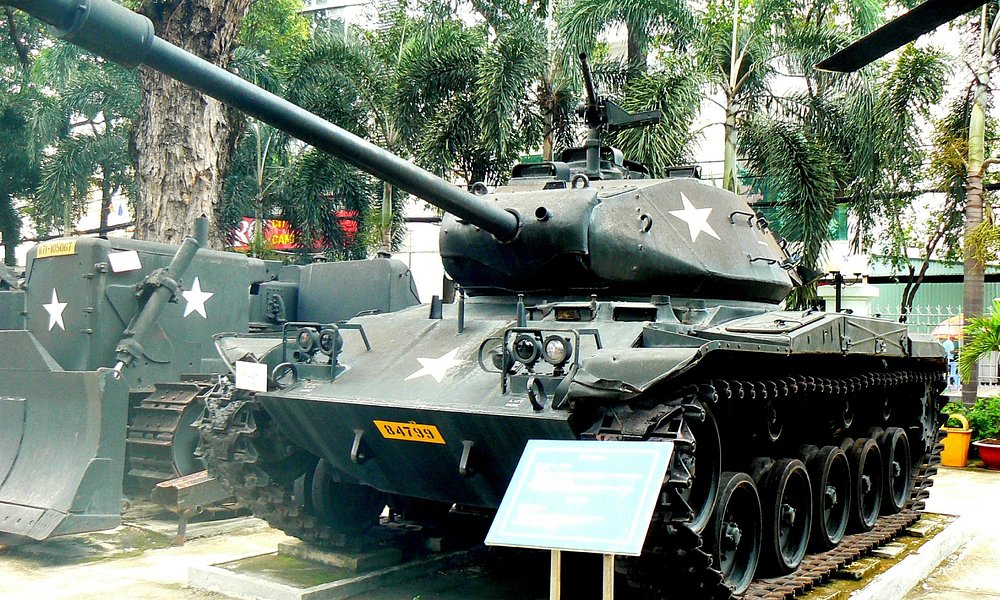
- Access to the outdoor courtyard, where you can see US-made helicopters, aircraft, tanks, artillery pieces and replicas of Con Dao prison “tiger cages”.
- Use of on-site visitor facilities such as toilets on each floor, elevators, a small coffee shop in the courtyard and souvenir stalls.
- Optional extras (not always included in basic admission): rental of an audio guide or joining a guided city tour that includes the museum as one of its stops.
- NOT included: hotel pick-up and drop-off, food and drinks, professional guiding services unless you booked a package tour, and any separate fees for audio guides or special exhibitions.
Who it's for
- Best suited for travellers who seriously want to understand the Vietnam War from the Vietnamese side — history fans, students, educators and thoughtful visitors.
- Appropriate for adults and older teenagers who can handle graphic images and emotionally intense stories about war, prisons and chemical weapons.
- Families with younger children can visit but should be selective: some galleries, especially those on Agent Orange and war atrocities, are very confronting.
- Less suitable if you prefer only light, “instagrammable” attractions, or if you are very sensitive to disturbing imagery and stories of suffering.
What you'll do
- Arrive by taxi, rideshare or on foot from central District 1 and buy your ticket at the museum gate before passing through a simple security check.
- Start in the courtyard, where you can walk around captured or donated military hardware such as helicopters, jets, artillery and armoured vehicles, and step into an area showing reconstructed prison “tiger cages” and detention conditions.
- Move inside to the ground floor, with introductory exhibits and displays on international support for Vietnam during the war, then continue up through the first and second floors.
- Spend time in photo-heavy galleries documenting civilian life during the war, the impact of bombing, prisons and torture, the long-term effects of Agent Orange and the work of both Vietnamese and foreign photojournalists.
- Pause as needed; the material is dense and emotionally challenging, so most visitors cycle between reading panels, looking at photographs, sitting for short breaks and quietly reflecting.
- Exit back into the courtyard, where you can grab a drink at the small café, browse a souvenir stall or simply sit for a few minutes before heading back out into the city.
Before you go
- Tickets / price (starts from): adult admission is typically around 40,000 VND per person, with reduced prices for children and certain concession categories; children under 6 are usually free. Check the current posted sign at the entrance for exact, up-to-date prices.
- Opening hours: the museum usually opens daily from about 07:30 to 17:30, with last entry roughly 30—60 minutes before closing to give visitors time to go through the main exhibits.
- Photography: taking photos is generally allowed, but you are expected to be respectful; some areas may have specific signs asking for no flash or no photography.
- Behaviour: this is treated as a serious memorial-style space, not an amusement attraction — keep voices low, avoid joking or posing insensitively with disturbing images or displays.
- Accessibility: there are elevators and basic ramps, but some areas can still be crowded; if you have specific mobility needs, allow extra time and avoid peak hours.
Good to know
- Location: at 28 Vo Van Tan Street, District 3 — roughly a 10—15 minute walk from popular District 1 sights like the Reunification Palace, Notre-Dame Cathedral and the Central Post Office.
- Time needed: plan about 1.5—3 hours depending on how carefully you read panels and how many galleries you visit; you can move faster, but rushing defeats the purpose.
- Emotional impact: many visitors describe the museum as sobering, intense and sometimes overwhelming. It's normal to feel heavy or upset afterwards — building in a quieter activity or café stop after your visit can help.
- Best timing: visiting earlier in the morning or later in the afternoon can mean slightly cooler temperatures and fewer tour groups; midday can be busier and hotter.
- Combining with other sights: the museum is often paired with the Reunification Palace on the same day for a fuller picture of the war and the fall of Saigon, plus a lighter stop such as Notre-Dame or the Post Office.
Why this is worth it
Budget around 40,000 VND per adult and 1.5—3 hours for the War Remnants Museum — a central Ho Chi Minh City museum with aircraft and prison replicas outside and powerful, often graphic galleries inside that document the Vietnam War from a strongly Vietnamese perspective. It's inexpensive, easy to reach and historically essential, but emotionally heavy.