Highlights
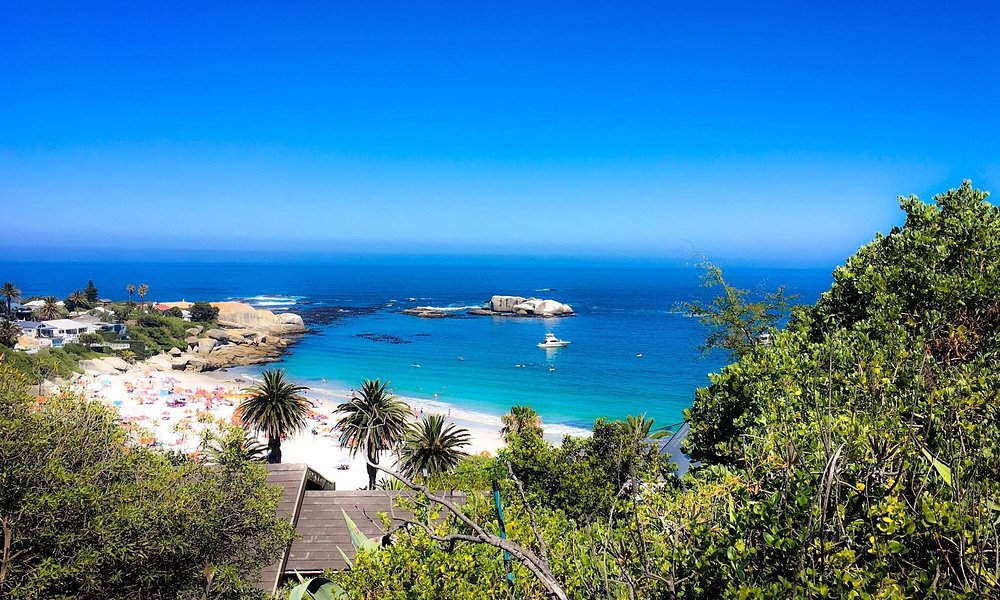
Free access to the four main Clifton beaches (1st, 2nd, 3rd and 4th), all public, white-sand coves separated by granite boulders.
About this experience
Clifton Beaches are a string of four small coves (Clifton 1st to 4th) on Cape Town’s Atlantic Seaboard — compact, wind-sheltered, white-sand beaches tucked below the road with boulders, turquoise water and a very “postcard / Instagram” vibe. The water is freezing, the views are ridiculous, and each cove has its own crowd: more chilled at 1st/2nd, more social at 3rd/4th.
What's included
- Free access to the four main Clifton beaches (1st, 2nd, 3rd and 4th), all public, white-sand coves separated by granite boulders.
- Use of the sand for tanning, beach games and short walks along the waterline, plus some natural rock platforms and boulders for sitting on.
- Relatively wind-sheltered conditions compared with other Cape Town beaches — you’re tucked below the road and houses, which helps when the Cape Doctor is blowing.
- Seasonal lifeguards and flagged swimming zones in peak season (mainly on 4th Beach, sometimes others), subject to conditions.
- Easy (but stepped) access up to Victoria Road where you’ll find informal vendors, occasional food trucks and quick access by car, bus or taxi.
- NOT included: sunbed/umbrella rentals from private vendors, food and drinks, paid parking, taxis/rideshares, or organised tours/activities — the beaches themselves are public and free.
Who it's for
- Ideal for couples, small groups and solo travellers who want a pretty, compact beach with “hidden cove” vibes and big views rather than wide, open sands.
- Great if you like lying on the beach, short dips in icy water, reading, people-watching and having a slightly more exclusive-feeling spot than the big city beaches.
- Fine for kids if you’re happy to manage stairs, watch them closely around waves and rocks, and stick to flagged swim areas when available.
- Less suitable if stairs are a problem (lots of steps down and up), you want long walks on flat sand, or you hate being relatively close to other people in peak season — the coves are small and can pack up.
What you'll do
- Arrive along Victoria Road by car, bus or taxi and find parking (or get dropped off) near your chosen Clifton — 1st to 4th are signed along the road.
- Walk down a flight of stone steps between buildings to reach the sand (each cove has its own staircase), then pick a spot on the beach or near the boulders.
- Lay out towels or rent loungers/umbrellas from vendors if they’re operating, then spend time sunbathing, chilling, playing paddleball or just sitting on the rocks and staring at the water and Twelve Apostles.
- Take a quick, bracing dip in the Atlantic — the water is very cold, even in midsummer, so most people dunk and dash rather than long-distance swim. Stick to lifeguard-flagged areas when they’re up.
- Move between coves via the steps and paths if you want to sample different vibes (quieter/locals at 1st & 2nd, more social and family/friends vibe at 3rd & 4th).
- After a few hours, climb back up the stairs to the road and either head home, walk or drive on to Camps Bay, or grab drinks/food somewhere along the strip.
Before you go
- Tickets / price (starts from): there is no entry fee for Clifton Beaches — they’re public. Realistically, budget around 50—300 ZAR per person for parking, snacks, drinks or a casual meal/ice cream, depending on what you buy and where.
- Access & fitness: all four beaches are reached by steep stairways from the road — not ideal if you have serious mobility issues, knee problems or are carrying lots of heavy gear.
- Swimming & safety: the Atlantic is cold and conditions change; only swim in flagged areas, obey lifeguards and watch for strong shore breaks and hidden rocks. Keep a close eye on kids in the water.
- Sun & heat: Cape Town sun is strong and there’s limited natural shade — bring high-SPF sunscreen, a hat, sunglasses and plenty of water. Umbrella rental is handy but not guaranteed.
- Beach rules: no glass on the sand, no open fires, and alcohol is officially banned on most public beaches. Keep music low and respect the fact that cove spaces are small and shared.
Good to know
- Location: Clifton sits on the Atlantic Seaboard between Sea Point and Camps Bay, about 10 minutes by car from central Cape Town / V&A Waterfront when traffic is light.
- Which beach?:
- Clifton 1st — more chilled/local, sometimes dog-walkers, slightly quieter.
- Clifton 2nd & 3rd — mixed, social, often young locals and groups of friends.
- Clifton 4th — most popular with families and visitors, usually has the strongest lifeguard presence.
- Best timing: late morning to sunset is prime — mornings are calmer and less crowded, late afternoon and sunset bring golden light and busier social energy.
- Weather: the coves are more protected from wind than many Cape Town beaches, but strong wind can still whip up sand and chop in the water; winter days can be crisp but still beautiful for walks and photos.
- Pairing: easy to combine Clifton with Camps Bay, a Signal Hill or Lion’s Head viewpoint, or a wider Atlantic Seaboard drive.
Why this is worth it
Budget 0 ZAR for the beaches themselves and roughly 50—300 ZAR per person for snacks/parking/drinks, and plan 2—4 hours at the Clifton Beaches — four small, stepped-down Atlantic coves under Victoria Road where you get white sand, turquoise-but-freezing water and sheltered, social “mini beach” vibes with big mountain-and-ocean views.