Highlights
Entry into Kruger National Park via one of the official gates (with a valid conservation / daily entry fee and, for non-residents, a valid passport).
About this experience
Kruger National Park is South Africa's flagship safari reserve — almost 20,000 km² of bushveld along the country's north-eastern border with Mozambique, famous for Big Five sightings, huge herds of plains game, hundreds of bird species and a proper “African safari” feel spread across multiple gates, rest camps and ecosystems.
What's included
- Entry into Kruger National Park via one of the official gates (with a valid conservation / daily entry fee and, for non-residents, a valid passport).
- Access to a very large internal network of tar and gravel roads where you can self-drive at safari speeds to look for lions, elephants, buffalo, rhino, leopards, giraffe, zebras, hippos, crocs, antelope and more.
- Use of rest-camp facilities during the day: fuel stations, shops, restaurants/takeaways, toilets, picnic spots and some viewpoints and hides (overnight accommodation is separate and must be booked).
- The option (at extra cost) to join SANParks or lodge-run game drives and walks (sunrise, sunset or night drives) that operate from selected rest camps with trained guides and spotters.
- NOT included: accommodation, car hire, guided drives and walks, meals, fuel, private lodge packages, tips, or transport to and from Kruger’s gates — this entry is for the park and its public road network only.
Who it's for
- Ideal for travellers who want a proper multi-animal safari rather than a small private game reserve taste — couples, families, photographers and wildlife fans.
- Great for people comfortable with self-drive road trips, early mornings and spending many hours slowly cruising game roads and waiting at sightings.
- Works for a wide range of budgets: from self-drive with basic rest-camp accommodation up to high-end private concessions and lodges inside greater Kruger.
- Less suitable if you dislike early starts, heat, dust, long hours in a vehicle or the unpredictability of wild sightings (some days are quiet, some are wild).
What you'll do
- Enter Kruger through one of the main gates (for example, Crocodile Bridge, Malelane, Paul Kruger, Phabeni, Orpen, Phalaborwa, Punda Maria etc.), after paying your conservation fee and completing gate formalities.
- Pick up a map or use an offline app, then drive slowly (strict speed limits) along tar and gravel roads scanning for wildlife — stopping at dams, rivers and waterholes where animals often congregate, especially early and late in the day.
- Use rest camps and picnic spots as your “base nodes”: fill up fuel, buy snacks and drinks, use toilets, check sighting boards, then head back out on loops around the camp.
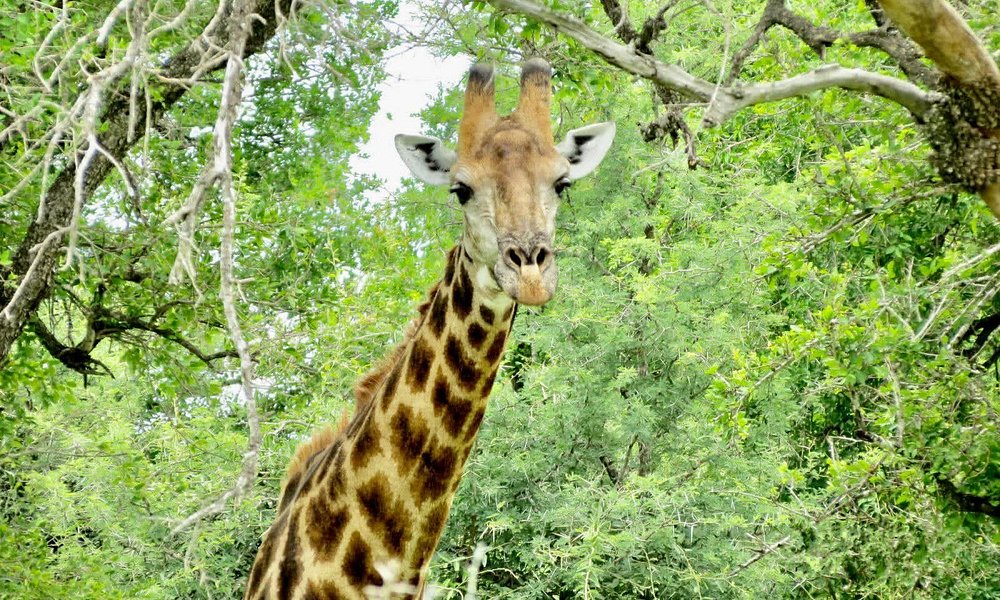
- Watch for Big Five, but also spend time on “smaller” moments — giraffe browsing, elephants crossing the road, hippos and crocs in rivers, troops of baboons, colourful birds of prey and rollers, and nocturnal tracks in the dust.
- If you book guided activities, join a sunrise, sunset or night drive from a rest camp to access some roads after gate hours with a ranger and spotlight, increasing your chances of nocturnal predators and rarer species.
- Exit before the day visitor or gate closing times if you are not staying inside the park; if you are overnighting in a rest camp, be back inside camp gates before their separate closing time.
Before you go
- Tickets / price (starts from): as a realistic planning baseline, international adult visitors should budget around 480—500 ZAR per person, per day for Kruger’s conservation fee (for example, roughly 486 ZAR). South African residents and SADC nationals usually pay lower rates with ID, and Wild Card holders have different arrangements. This is a planning figure only — actual tariffs can change.
- Duration: a single day in Kruger is possible, but most travellers aim for 2—4 days or more to meaningfully explore different areas and improve their chances of good sightings.
- Gate & camp times: Kruger runs on strict gate and camp opening/closing times that shift with the seasons. Being late at a gate or camp can result in fines — always check the day’s times and plan your route with a buffer.
- Safety & behaviour: stay inside your vehicle at all times except at clearly marked places where leaving the car is allowed (hides, picnic sites, designated viewpoints). Do not feed animals, do not hoot or block roads at sightings, and keep windows up or partly up near potentially dangerous animals like lions and elephants.
- Health & logistics: parts of Kruger lie in a malaria area — especially in the wet season — so many travellers consider prophylaxis after speaking to a doctor. Bring enough drinking water, hats, sunscreen, insect repellent and any medication you need; fuel and basic supplies are available in camps but distances are large.
Good to know
- Location & access: Kruger stretches along South Africa’s north-eastern border; main hubs include Nelspruit/Mbombela, Hazyview, Hoedspruit and Phalaborwa, with regional airports (like Skukuza, Kruger Mpumalanga) serving fly-in visitors.
- Self-drive vs guided: self-drive gives flexibility and can be cheaper; guided drives add local knowledge, better spotting and access to certain roads and night drives — many visitors mix both.
- Best time to visit: wildlife is generally easier to spot in the dry winter months (roughly May—September) when grass is shorter and animals concentrate at water sources; summers are greener, hotter, more humid and better for birding but can be more challenging for sightings.
- Roads & vehicles: you do not need a 4x4 for most of Kruger’s public roads; a normal sedan can handle main tar and many gravel routes if you drive slowly and carefully. Still, potholes, corrugations and dust are normal.
- Cash & connectivity: most rest camps accept cards, but mobile signal can be patchy; don’t rely on constant data and keep physical maps or offline apps handy.
Why this is worth it
Budget around 486 ZAR per international adult, per day for Kruger’s conservation fees (plus extra for fuel, food, lodging and any guided drives), and plan at least 2—4 days if you can — for a proper Big Five safari in South Africa’s flagship national park where you self-drive or join guided drives along hundreds of kilometres of game roads, hop between rest camps and spend sunrise to sunset scanning rivers, waterholes and bushveld for everything from lions and leopards to elephants, rhinos, buffalo, giraffe and a ridiculous number of birds.