Highlights
Standard combined ticket for foreign visitors, which typically covers:
About this experience
One of the most famous archaeological sites on the planet: thousands of life-size clay soldiers, horses and chariots buried to guard the tomb of China’s first emperor, Qin Shi Huang. The Museum of Qin Terra-cotta Warriors and Horses forms the core of the wider Emperor Qinshihuang’s Mausoleum Site Museum about 35 km from central Xi’an. Expect three main pits under giant hangars, a separate exhibition hall for bronze chariots and a big, busy visitor setup. Plan 3—4 hours on site.
What's included
- Standard combined ticket for foreign visitors, which typically covers:
- The Museum of Qin Terra-cotta Warriors and Horses (Pits 1, 2 and 3 plus the main exhibition halls).
- Lishan Garden / Qin Shi Huang’s Mausoleum Site Park.
- The official shuttle bus running between the museum and Lishan Garden on the same day.
- Access to the main viewing halls above each excavated pit, museum displays on the Qin dynasty and basic visitor services (toilets, first aid, information).
Who it's for
- All ages who can handle long indoor walks and time on their feet; the pits are mostly flat with ramps and stairs to different viewing platforms.
- Ideal for history nerds, first-time China visitors and anyone who wants a “top 5 in the country” bucket-list site.
- Not ideal if you hate crowds and large tour groups — this is one of China’s most visited museums and can get very busy, especially mid-morning and on holidays.
What you'll do
- Travel about 1 hour from central Xi’an (tour bus, public bus + short transfer, taxi or private car) to the museum ticket area.
- Buy or scan your pre-booked combined ticket, then pass security and follow signs into the main pit area.
- Start at Pit 1 — the largest hangar, with dense ranks of infantry and horses — then continue to Pit 2 (mixed arms, cavalry, chariots) and Pit 3 (command post-style layout).
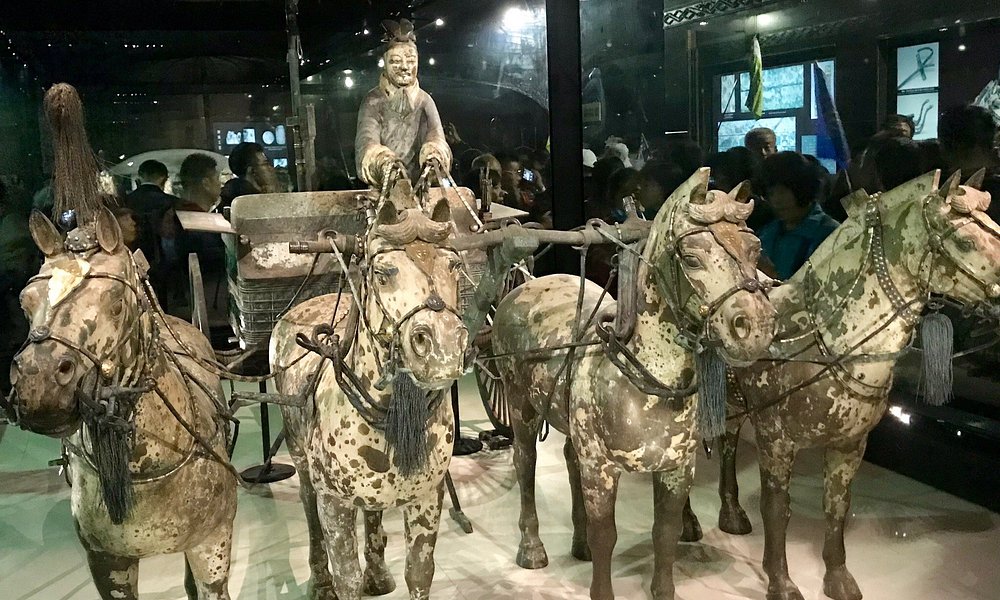
- Visit the Bronze Chariots and Horses exhibition and other side galleries for close-up artefacts and explanations.
- If time allows, use the included shuttle to visit Lishan Garden / the mausoleum park area before returning to Xi’an.
Before you go
Ticket checks and last entry close earlier than the listed hours, so arriving in the morning is safest.
- Tickets / price: as of 2024—2025, the standard combined ticket for adult visitors is 120 CNY per person and has no seasonal price difference. This covers the Terracotta Warriors museum, Lishan Garden and the shuttle bus between them. Half-price discounts apply to eligible students and some youth/senior categories; young children below specified age/height bands are usually free with ID.
- Booking: tickets can be bought on-site (subject to availability) or reserved in advance via official online platforms and authorised OTAs. Passport details are required for named tickets, and your ID/passport is usually your “ticket” at the gate.
- Hours: typical entry times are:
- Approx. 08:30—17:00 from March 1 to November 30.
- Approx. 08:30—16:30 from December 1 to February 28.
- On busy days and major holidays, expect timed entries, queuing and crowd control. Some services (like the shuttle or certain displays) may adjust schedules or capacity.
Good to know
- Location: near the town of Lintong, about 35 km northeast of Xi’an, Shaanxi Province; allow around 1 hour each way by road in normal traffic.
- Layout: the key visitor route is usually Pit 1 → Pit 2 → Pit 3 → Bronze Chariots & Horses → other exhibition halls; most tours allocate 2—3 hours just to the pits.
- Best timing: aim for early morning or later afternoon on a weekday; mid-morning in high season is peak group-tour time and can feel packed around Pit 1’s main viewing platforms.
- Practical tips: wear comfortable shoes for concrete floors and long walks; bring water, but expect bag checks and restrictions on large tripods and drones. Audio guides and licensed human guides are available on-site.
Why this is worth it
Pay about 120 CNY for the combined ticket, ride out from Xi’an for an hour, walk through three huge pit hangars full of terracotta soldiers and horses, then optionally continue to the mausoleum park — it’s the “see it once in your life” archaeology stop in China.