Highlights
Return ferry ride from the Nelson Mandela Gateway at the V&A Waterfront to Robben Island and back on a scheduled departure.
About this experience
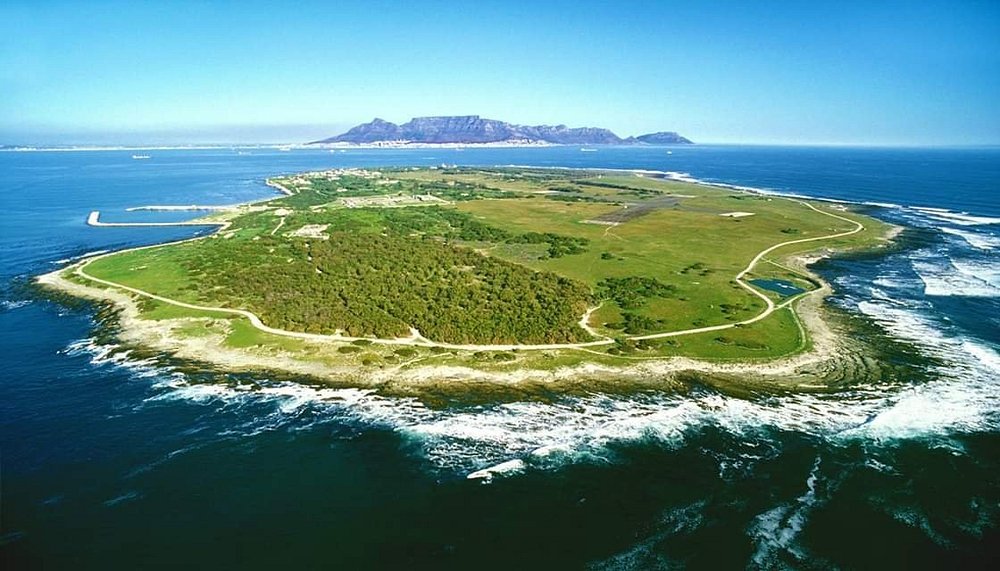
Robben Island Museum is the combined ferry-and-island tour that takes you from Cape Town's V&A Waterfront to Robben Island, the former maximum security prison where Nelson Mandela and many other political prisoners were held. It is a structured, guided visit rather than a DIY wander — part boat trip, part bus tour and part walking tour inside the prison.
What's included
- Return ferry ride from the Nelson Mandela Gateway at the V&A Waterfront to Robben Island and back on a scheduled departure.
- A guided bus tour of the island on arrival, stopping at key sites such as the limestone quarry, village, military structures and viewpoints over Table Mountain and the bay.
- A walking tour inside the former maximum security prison, usually led by an ex political prisoner or trained guide, including communal cells, solitary cells and historic corridors.
- A visit to the cell that held Nelson Mandela for many years, along with explanations of daily life, punishment regimes and prisoner organisation.
- Access to basic island facilities such as toilets, small displays and a kiosk, plus time to look around designated areas near the prison complex.
- NOT included: food and drinks on the ferry or island, hotel transfers to and from the V&A Waterfront, unguided free time to explore the whole island, or any private charter services.
Who it's for
- Essential for visitors who want to understand South Africa's struggle history and Nelson Mandela's story beyond simple statues and quotes.
- Good for adults and older teens who can handle heavy content about political imprisonment, racism and violence, plus 3—4 hours of structured touring.
- Suitable for most fitness levels; you will sit on a ferry and bus and walk short distances inside the prison, but must manage gangways and a few steps.
- Less suited for very young children who are likely to be bored or unsettled, or for travellers who only want light, scenic activities with no serious historical content.
What you'll do
- Arrive at the Nelson Mandela Gateway building at the V&A Waterfront ahead of your departure time, check in and pass through ticket and security controls.
- Board the ferry, find a seat inside or on deck (weather dependent) and take the 25—40 minute crossing to Robben Island, with views back to Table Mountain and the city.
- Disembark at the island harbour and board a tour bus with a guide who will drive you around parts of the island, explaining its history as a prison, leper colony, military base and heritage site.
- Stop at key locations such as the limestone quarry where political prisoners did hard labour, the village area and coastal viewpoints for photos and explanations.
- Arrive at the former maximum security prison and join a walking tour through courtyards, communal cells, punishment areas and corridors, usually with personal stories from an ex prisoner or specialist guide.
- See Mandela's former cell and hear about daily routines, education in the prison, censorship, resistance inside the walls and the eventual closure of the prison.
- Return to the harbour, board the ferry back to Cape Town and disembark at the Waterfront, where the tour ends.
Before you go
- Tickets / price (starts from): as a realistic planning baseline, standard adult tickets for the Robben Island Museum tour are around 650 ZAR per person, including ferry and guided tour. South African residents, children and students may pay less; exact tariffs vary by season and policy.
- Duration: plan about 3.5—4.5 hours total, including check in, the ferry crossings, bus circuit and prison tour. You will be away from the Waterfront for several hours with no option to leave earlier.
- Weather & sea conditions: tours are weather and sea state dependent — strong wind or rough seas can delay or cancel departures, sometimes at short notice. Always check your booking info and be flexible in your planning.
- Behaviour & respect: this is a memorial and former prison, not a light entertainment attraction. Keep voices low, dress modestly, follow guide instructions and avoid disruptive behaviour or inappropriate selfies.
- Accessibility: ferries and buses have steps, and prison corridors can be crowded; visitors with mobility challenges should check accessibility details before booking, as assistance may be needed.
Good to know
- Location: departures are from the V&A Waterfront in Cape Town, making it easy to combine Robben Island with other Waterfront activities before or after your tour.
- Best timing: morning departures often have calmer seas and slightly more reliable schedules; afternoons can be windier. Whichever slot you choose, do not plan tight connections right after the scheduled return.
- Motion sickness: if you are prone to seasickness, consider taking motion tablets in advance and sit where you can look at the horizon; seas can be choppy even on sunny days.
- Photography: photos are generally allowed on the ferry, bus and in many prison areas, but always respect your guide's instructions and remember this is a site of trauma for many South Africans.
- Booking: advance booking is strongly recommended, especially in peak season and around public holidays, as departures often sell out.
Why this is worth it
Budget around 650 ZAR per adult and 3.5—4.5 hours for the Robben Island Museum tour — a ferry and guided visit from Cape Town's V&A Waterfront to the former prison island where Nelson Mandela and other political prisoners were held, combining sea views and bus touring with a heavy, essential lesson in South Africa's apartheid history.