Highlights
Standard entrance ticket for the Temple of Literature and National University complex, giving access to the main sequence of courtyards, pavilions and halls.
About this experience
The Temple of Literature and National University complex (Van Mieu — Quoc Tu Giam) is a walled courtyard and pavilion ensemble in central Hanoi that honours Confucius and the scholars of Vietnams first national university. Founded in 1070 and expanded over later dynasties, it combines landscaped gardens, lakes, stelae of doctors, gateways and halls that show how education, examinations and Confucian values shaped traditional Vietnamese society.
What's included
- Standard entrance ticket for the Temple of Literature and National University complex, giving access to the main sequence of courtyards, pavilions and halls.
- Freedom to walk at your own pace through the Van Mieu (Confucian temple) areas and the Quoc Tu Giam (former National University) zone with its stone stelae of successful exam candidates.
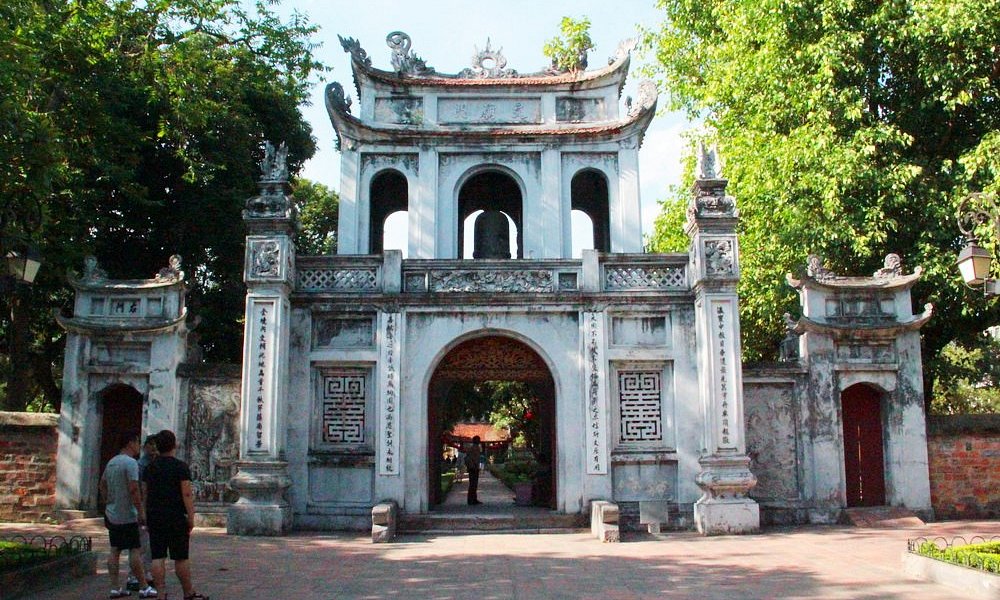
- Access to major features such as the Great Gate, Khue Van Pavilion, the central Well of Heavenly Clarity, rows of stone turtles with stelae of doctors and altars honouring Confucius and key scholars.
- Entry to small exhibition rooms that often display calligraphy, examination objects, models and bilingual information panels about education and civil service exams in the imperial period.
- Use of basic visitor services such as paths, shaded seating, toilets and simple souvenir stalls and refreshment kiosks near the entrance and exits.
- NOT included: guided tour services unless booked separately, audio guide rental when available, transport to and from the site, or any special night tour programmes that require separate tickets.
Who it's for
- Ideal for travellers who care about history, education and culture and want to see how scholars and civil service exams once functioned in Vietnam.
- Good fit for independent visitors, couples, families and school groups who enjoy calm courtyards, gardens and architecture rather than high energy attractions.
- Suitable for most ages and fitness levels, as paths are flat and distances inside the complex are moderate, with many benches and shady areas for breaks.
- Less compelling if you only seek very dramatic or fast paced sights, or if you have no interest at all in temples, traditional architecture or the story of Confucian learning.
What you'll do
- Arrive by taxi, ride hailing car, bus or on foot from central Hanoi and buy your ticket at the main gate on Quoc Tu Giam Street.
- Pass through the outer gate into a sequence of landscaped courtyards separated by ornamental walls and smaller gateways, each with its own layout and function.
- Walk along the main axis past lawns and trees towards the Well of Heavenly Clarity, then step into the side cloisters that house stone turtles bearing the stelae of exam graduates.
- Continue towards the main temple hall where Confucius and key disciples are honoured at richly decorated altars filled with lacquer, incense and offerings.
- Explore the Quoc Tu Giam area, where the former National University once trained mandarins for the imperial court, and visit small exhibitions on traditional education and examinations.
- Take photos of the Khue Van Pavilion, ornamental ponds, gateways and rooflines, and spend some quiet time on benches or in shaded corridors before exiting back to the modern streets outside.
Before you go
- Tickets / price (starts from): adult entrance tickets are typically around 30,000 VND per person, with reduced prices for students and free or discounted entry for young children depending on current policies.
- Opening hours: the complex usually opens from morning to late afternoon or early evening (for example roughly 08:00—17:00 or slightly longer in some seasons); exact times are posted at the entrance.
- Duration: plan about 1—2 hours for an unhurried visit that allows time for walking through all main courtyards, reading key panels and taking photos without rushing.
- Dress code and behaviour: this is a temple and heritage site, so modest clothing that covers shoulders and knees is recommended; keep voices low, remove hats inside shrine rooms and do not touch altars or offerings.
- Accessibility: paths are mostly flat but there are a few steps at gateways and building thresholds; visitors with limited mobility can still see much of the site by staying on main paths and avoiding raised pavilions.
Good to know
- Location: the Temple of Literature lies a short taxi or bus ride west of Hoan Kiem Lake and the Old Quarter, and can be combined easily with stops at the Vietnam Fine Arts Museum or the Ho Chi Minh Complex on the same day.
- Atmosphere: mornings are generally cooler and quieter, with more local students visiting to pray for exam luck; later in the day you may see more tour groups and graduation photo sessions.
- Cultural role: the site still functions as a symbol of learning and respect for teachers; many Vietnamese families and students come to offer incense and seek good fortune for studies and examinations.
- Photography: you can take photos freely in most outdoor and courtyard areas; be discreet in front of altars and avoid blocking worshippers or organised photo sessions.
- Extras: during some periods there are night tours with lighting and 3D mapping shows, and occasional cultural events or calligraphy displays, which require separate tickets or arrangements.
Why this is worth it
Budget around 30,000 VND per adult and 1—2 calm hours for the Temple of Literature and National University in Hanoi — a sequence of walled courtyards, ponds, pavilions and stone stelae that preserves the memory of Vietnams first national university and the Confucian examination system at the heart of old Vietnamese elite culture.