Highlights
General admission to Whakarewarewa — The Living Māori Village, including access to the village streets, marae surroundings (as permitted), church, cemetery outlooks and geothermal areas (within visitor zones).
About this experience
Whakarewarewa — The Living Māori Village is an actively lived-in Māori community built around a geothermal valley in Rotorua. Instead of a museum set, you walk through a real village where people still use bubbling pools and steam vents for everyday life — cooking in hangi boxes, boiling corn in hot pools and bathing in mineral water — while guides explain culture, history and geothermal science.
What's included
- General admission to Whakarewarewa — The Living Māori Village, including access to the village streets, marae surroundings (as permitted), church, cemetery outlooks and geothermal areas (within visitor zones).
- A guided walking tour with a local Māori guide (on standard tickets), covering village history, geothermal features, traditional cooking methods and everyday life in the community.
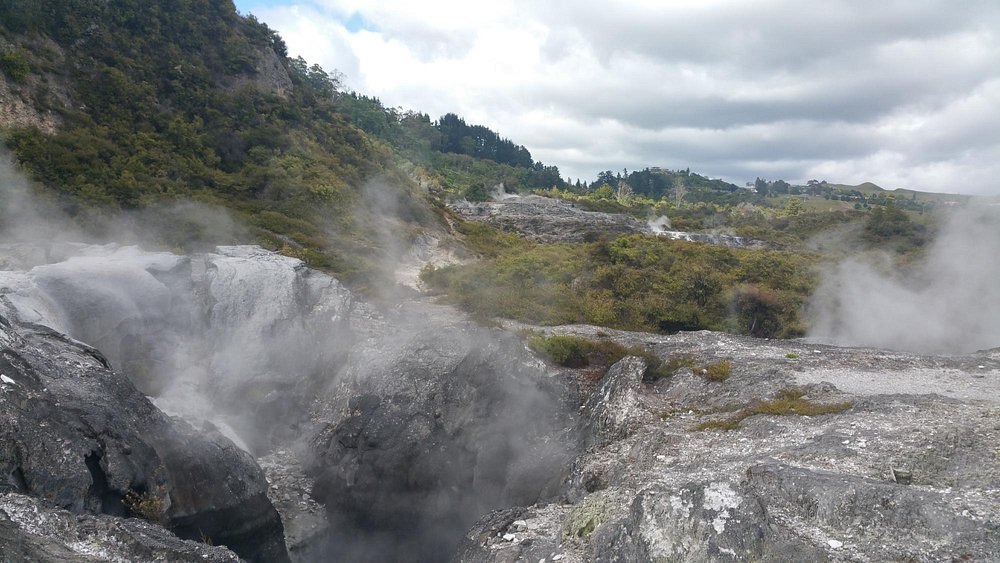
- Access to marked viewpoints over boiling mud pools, steaming vents, coloured silica terraces and the Pōhutu geyser in the wider Whakarewarewa valley.
- Cultural component: many standard tickets include a short cultural performance (haka, waiata and poi) in the village’s performance venue at set times during the day.
- Use of on-site facilities such as toilets, café/food outlets, small museum-style displays, gift shop and sheltered seating.
- NOT included: transport to/from the village, full hangi meals (unless you book a specific hangi package), premium private tours, spa/hot pool bathing, or any additional Rotorua attractions.
Who it's for
- Ideal for travellers who want an authentic, lived-in Māori village experience rather than a purely staged cultural show.
- Great for couples, families and small groups comfortable walking 60—90 minutes on formed paths and some slopes.
- Suits visitors who are curious about how Māori communities have adapted geothermal energy for cooking, bathing and daily life.
- Less suitable if you strongly dislike sulphur smells, have difficulty with uneven paths or steps, or are only interested in fast, thrill-ride type activities.
What you'll do
- Arrive at Whakarewarewa a few minutes’ drive from central Rotorua, check in at the main entrance and meet your Māori guide at the tour start point.
- Walk through the village streets past homes, meeting areas and communal spaces while your guide explains the history of the settlement and local iwi (tribes).
- Visit viewpoints over boiling mud pools, hot pools and steam vents, learning how villagers use different pools for cooking, bathing and laundry — and what safety rules they follow.
- Watch demonstrations or explanations of hangi-style cooking in geothermal steam boxes and possibly sample simple items like corn or sweet treats if available (at own cost or as part of specific packages).
- Take a seat for the cultural performance (if included on your ticket), with waiata (songs), poi and haka, along with explanations of meaning and protocol.
- Finish by wandering back through the village at your own pace, taking photos in allowed areas, grabbing a snack or drink at the café and browsing the gift shop for locally themed souvenirs.
Before you go
- Tickets / price (starts from): standard guided village and geothermal valley admission with cultural performance typically starts at around 49 NZD per adult, with cheaper child and family options; 49 NZD is a realistic planning figure for a core adult ticket.
- Opening hours: the village generally opens daily during daytime hours, with last entry mid—late afternoon; cultural performance times are scheduled, so you may want to time your arrival to match a show.
- Safety: stay strictly on marked paths and boardwalks — geothermal ground and pools can be extremely hot and unstable just off the track. Children must be supervised at all times.
- Respect & photography: this is a living community, not just a tourist site. Always ask before photographing residents directly, follow any no-photo signs in cultural or sensitive areas, and behave respectfully around the marae and cemetery.
- Clothing & comfort: wear comfortable walking shoes and bring a light jacket; steam and weather can make it feel humid or changeable. The sulphur smell is normal in Rotorua’s geothermal zones but can be strong in parts of the village.
Good to know
- Location: Whakarewarewa — The Living Māori Village is located on the southern side of Rotorua, close to other geothermal attractions and only a short drive from the lakefront and city centre.
- Time needed: plan about 2—3 hours for check-in, a guided tour, cultural performance and some unstructured wandering and photos.
- Weather: most of the experience is outdoors; light rain can make steam more dramatic but paths can be wet and slippery, so take extra care in bad weather.
- Accessibility: many main areas are on formed paths, but some slopes and steps may be challenging for wheelchairs or prams; check current accessibility info if mobility is a concern.
- Add-ons: some visitors pair Whakarewarewa with other Rotorua geothermal sites, redwood forest walks or lake activities on the same day for a full Rotorua experience.
Why this is worth it
Budget around 49 NZD per adult and 2—3 hours for Whakarewarewa — The Living Māori Village — a guided visit to a real geothermal Māori community where you walk through lived-in streets, see steam and mud pools, learn how locals cook and live with the geothermal landscape, and usually watch a haka and cultural performance as part of your ticket.