Highlights
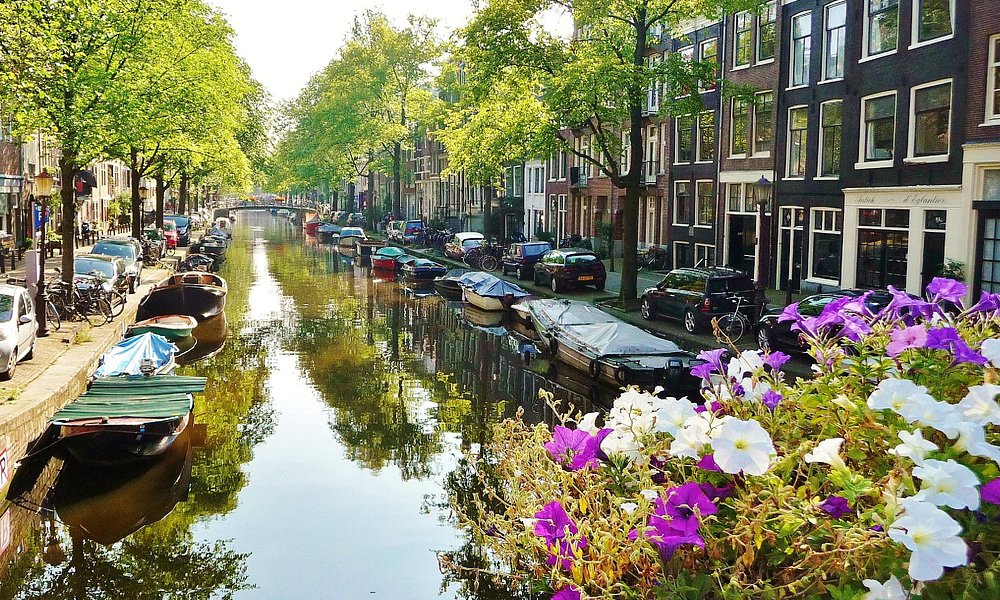
Free access to the Jordaan's streets, canals and squares, including pretty stretches like Brouwersgracht, Egelantiersgracht, Bloemgracht and the lanes around Noordermarkt and Westerstraat.
About this experience
The Jordaan is a historic canal neighbourhood in central Amsterdam, bordered roughly by the Prinsengracht and Singelgracht canals between Brouwersgracht and Leidsegracht — once a 17th century working class and immigrant district, now one of the city's most desirable areas, full of canals, cafes, galleries, markets and hidden courtyards.
What's included
- Free access to the Jordaan's streets, canals and squares, including pretty stretches like Brouwersgracht, Egelantiersgracht, Bloemgracht and the lanes around Noordermarkt and Westerstraat.
- The chance to explore local street markets such as the Noordermarkt square (organic farmers' market on Saturdays and a more flea/antique style market on Mondays) and the markets on Lindengracht and Westerstraat on market days.
- Discovery of traditional brown cafes, indie boutiques, design shops, small museums (like the Pianola Museum) and art galleries scattered through the neighbourhood.
- Opportunity to peek into or visit some of the Jordaan's historic hofjes (courtyards) during opening hours when they are publicly accessible, especially on occasional open days in summer.
- NOT included: any paid walking or food tours, canal cruises, museum tickets outside the free courtyards and tiny museums you choose, or food, drink and shopping — you decide how much you spend once you're there.
Who it's for
- Ideal if you want a low key, atmospheric neighbourhood wander rather than a single big-ticket attraction — think canals, terraces and side streets instead of one flagship museum.
- Great for couples, solo travellers and groups of friends who like café hopping, browsing boutiques and taking photos, as well as families who want a more local-feeling part of town close to the centre.
- Works for most fitness levels: the area is compact and flat, but you will be on your feet walking cobbled streets and canal bridges for a few hours.
- Generally accessible for wheelchair users and prams on main streets and along the canals, though some side lanes are narrow, uneven or crowded and many old cafes and shops have single steps at the entrance.
What you'll do
- Walk or tram from Amsterdam Centraal or Dam Square towards the western canal belt and cross into the Jordaan near Brouwersgracht, Westerstraat or Noordermarkt.
- Drift along canal streets like Egelantiersgracht and Bloemgracht, stopping for photos of leaning canal houses, boats and bridges, and maybe a coffee or beer at a canal side terrace.
- On a market day, wander Noordermarkt and the stalls along Lindengracht or Westerstraat to sample local produce, vintage finds and street food, or just soak up the atmosphere.
- Duck into side streets to find hofjes (historic inner courtyards) that are open to the public during posted hours, and browse some of the neighbourhood's small galleries, design shops and independent boutiques.
- Wrap up by looping back towards the canals near Westerkerk and the Anne Frank House edge of the district, or continue deeper into the neighbourhood before heading back towards Museumplein or the old centre.
Before you go
- Tickets / price (starts from): walking around the Jordaan is completely free of charge — it is a normal city neighbourhood with public streets. Treat 0 EUR as the base cost, adding only whatever you choose to spend on food, drinks, shopping or paid tours and museum entries.
- Opening hours: streets and canals are accessible 24/7, but the feel changes with time of day — markets, shops and cafes follow their own opening hours (typically daytime and early evening, with markets on specific days only).
- Markets: Noordermarkt, Lindengracht and Westerstraat markets each have specific days and times; if a particular market is important to you, check the latest schedule before planning your visit.
- Behaviour: remember this is a residential area as well as a visitor hotspot. Keep noise down at night, don't block doorways or bridges for photos, and respect any 'private' and 'no entry' signs around hofjes and courtyards.
- Bikes & traffic: bikes, cars and delivery vehicles still use many of the streets and canal edges. Stay aware when stepping into the road or backing up for photos and don't walk in the middle of the cycle lanes.
Good to know
- Location: the Jordaan sits just west of the central canal belt in Amsterdam-Centrum, roughly between Brouwersgracht (north), Leidsegracht (south), Prinsengracht (east) and Singelgracht / Frederik Hendrikbuurt (west).
- Getting there: it's about 10—15 minutes on foot from Dam Square or Amsterdam Centraal; multiple tram lines stop nearby (for example around Marnixstraat, Rozengracht or Westermarkt), and it's an easy cycle from most central districts.
- Time needed: allow 2—4 hours for a relaxed wander with a couple of café or market stops; you can also just dip in for an hour on the way to or from nearby sights like Anne Frank House or Westerkerk.
- Best timing: weekday mornings and late afternoons are calmer; Saturdays during market hours and sunny evenings are lively and fun but more crowded. After dark the area stays active but shifts more towards bars and restaurants.
- Neighbourhood feel: unlike the more tourist heavy Red Light District or parts of the central canal belt, the Jordaan still has a strong local vibe, especially a few streets back from the main routes — expect a mix of Amsterdammers and visitors.
Why this is worth it
Plan on 0 EUR just to wander and 2—4 hours in total for the Jordaan — a central Amsterdam canal neighbourhood of markets, hofjes, brown cafes and galleries that's best done as a slow walk with coffee, food and photos rather than a single paid attraction.